
Latest Technology Trends You Should Know in 2026
Technology is changing faster than ever, and 2026 is proving to be an important year for innovation. New technologies are not only transforming businesses and industries but also changing the way people communicate, work, study, shop, travel, and manage their daily lives. Artificial intelligence, smart devices, automation, cloud computing, cybersecurity, and connected technology are becoming increasingly common.
For beginners, keeping up with technology can sometimes feel difficult because new products and trends appear almost every day. However, understanding the major developments can help people make better decisions and take advantage of new opportunities. This article explores some of the most important technology trends of 2026, explains how artificial intelligence is changing everyday life, provides useful technology tips for beginners, and looks at the future of smart and connected devices.
1. Artificial Intelligence Is Becoming Part of Everyday Life
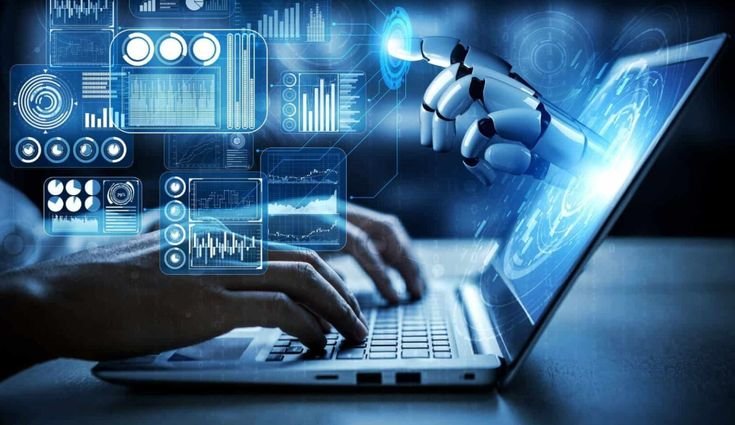
Artificial Intelligence, commonly known as AI, is one of the biggest technology trends in 2026. In the past, AI was mostly associated with research laboratories and large technology companies. Today, it is becoming a normal part of everyday life.
AI assistants can help users write emails, summarize documents, translate languages, answer questions, organize information, generate images, and learn new subjects. Students can use AI-powered tools for research and explanations, while professionals can use them to automate repetitive tasks.
AI is also being used in smartphones, search engines, online shopping platforms, navigation applications, customer service systems, and entertainment services. Many people interact with AI without even realizing it.
Another important development is the growth of AI-powered software that can perform multiple tasks rather than simply answering questions. These systems can analyze information, create content, organize workflows, and assist users with complex projects.
However, AI also creates challenges. Users need to understand that AI systems can sometimes produce incorrect or misleading information. Privacy and security are also important concerns. People should avoid sharing sensitive personal information with unknown AI services and should verify important information before relying on it.
2. AI Is Changing the Workplace
Artificial intelligence is also transforming the way people work. Many businesses are using AI to automate repetitive activities, analyze large amounts of information, communicate with customers, and improve decision-making.
For example, an AI system can help a company analyze customer feedback much faster than a human team could manually examine thousands of messages. AI can also assist programmers, designers, writers, marketers, teachers, and business owners.
This does not necessarily mean that humans will become unnecessary. Instead, many jobs are changing because employees can use technology to complete certain tasks more quickly. Human creativity, communication, critical thinking, leadership, and judgment remain extremely valuable.
As a result, learning how to work with AI is becoming an important digital skill. People who understand how to use AI responsibly may have an advantage in education and employment.
3. Smart Devices Are Becoming More Connected
Smart devices are another major technology trend. Smartphones, smartwatches, televisions, security cameras, speakers, appliances, cars, and other products can communicate with the internet and with one another.
This development is often called the Internet of Things, or IoT. The basic idea is that physical devices can collect information, communicate with systems, and respond automatically.
For example, a smart home system can allow a user to control lights, temperature, cameras, and appliances from a smartphone. Some devices can automatically adjust their settings based on schedules or user behavior.
Smartwatches can monitor activity, display notifications, provide navigation, and connect with other devices. Modern vehicles are also becoming increasingly connected, offering navigation, entertainment, safety features, and software-based controls.
The future of connected technology will likely involve even greater communication between devices. Instead of controlling every device separately, users may increasingly manage their digital environments through centralized platforms or intelligent assistants.
4. Cloud Computing Continues to Grow
Cloud computing has become an essential part of modern technology. Instead of storing all information and software on a single computer, cloud services allow users and organizations to store data and access applications through the internet.
People already use cloud technology when they store photos online, access documents from multiple devices, stream entertainment, or use web-based applications.
Businesses benefit from cloud computing because it can reduce the need for expensive physical infrastructure. Employees can also work with files and applications from different locations, which supports remote and hybrid work.
In 2026, cloud technology continues to support artificial intelligence, online collaboration, data analysis, cybersecurity, and connected devices. As more services move online, reliable internet access and good digital security become increasingly important.
5. Cybersecurity Is More Important Than Ever
As technology becomes more connected, cybersecurity becomes increasingly important. Cybercriminals use techniques such as phishing, malware, identity theft, and social engineering to target individuals and organizations.
Beginners can take several simple steps to improve their security. Using strong and unique passwords is one of the most important. Enabling two-factor authentication provides an additional layer of protection.
Users should also be careful when clicking links in emails, text messages, and social media posts. A message that appears to come from a bank, company, or friend may sometimes be fraudulent.
Keeping operating systems, applications, and security software updated is another important habit. Updates often contain security fixes that protect devices against newly discovered vulnerabilities.
Technology can make life easier, but users must also learn how to use it safely.
6. Technology Tips for Beginners
People who are new to technology do not need to understand everything immediately. A few basic habits can make technology much easier to use.
First, learn the basic settings of your smartphone and computer. Understand how to connect to Wi-Fi, install applications, manage notifications, update software, and adjust privacy settings.
Second, organize your digital files. Use folders and meaningful names so documents, photos, and other information are easy to find.
Third, learn keyboard shortcuts and basic productivity tools. Even simple shortcuts can save considerable time.
Fourth, back up important information. Important photographs, documents, and personal files should not exist in only one location. Cloud storage or an external storage device can provide additional protection.
Finally, do not be afraid to learn. Technology becomes easier when you experiment with it. Online tutorials, educational websites, and AI assistants can help beginners understand unfamiliar concepts.
7. The Future of Smart Homes
Smart homes are expected to become increasingly intelligent and automated. Instead of simply allowing users to control devices remotely, future systems may predict what users need.
For example, a smart home could automatically adjust lighting and temperature based on occupancy. Security systems could identify unusual activity and send alerts. Appliances may provide information about their condition or energy consumption.
Artificial intelligence could play an important role in connecting these devices. Rather than giving separate commands to multiple products, users may communicate with a central AI assistant that understands context.
The biggest challenge will be making these systems secure, affordable, reliable, and easy to use.
8. Robotics and Automation
Robotics is another area receiving significant attention. Robots are already used in manufacturing, warehouses, agriculture, healthcare, and logistics.
Automation allows machines to perform repetitive or physically demanding tasks. As AI improves, robots are becoming better at understanding environments and responding to changing conditions.
In the future, robots may become more common in homes, businesses, hospitals, and public services. However, their widespread adoption will also raise questions about employment, safety, privacy, and regulation.
The goal should not simply be to replace human workers but to use automation to improve productivity and allow people to focus on tasks requiring creativity, judgment, and human interaction.
9. The Importance of Digital Skills
Technology trends come and go, but digital skills are becoming increasingly valuable. People who can adapt to new tools are more likely to benefit from technological change.
Important skills include basic computer knowledge, online communication, cybersecurity awareness, data literacy, critical thinking, and AI literacy.
AI literacy is particularly important in 2026. Users should understand what AI can do, where it can make mistakes, and how to verify its output.
Learning these skills does not require becoming a professional programmer. Basic understanding and regular practice can make a significant difference.
Conclusion
The technology landscape of 2026 is being shaped by artificial intelligence, connected devices, cloud computing, automation, robotics, and cybersecurity. These technologies are influencing almost every part of modern life, from education and employment to entertainment and communication.
Artificial intelligence is becoming an everyday tool, while smart devices are creating increasingly connected environments. At the same time, cybersecurity and digital literacy are becoming essential because greater connectivity also creates new risks.
For beginners, the best approach is to learn gradually, practice regularly, protect personal information, and stay curious. Technology will continue to change, but people who develop strong digital habits and learn how to adapt can use these developments to make their lives more productive, convenient, and connected.
The future of technology is not only about smarter machines. It is also about how effectively and responsibly people use those machines. In 2026 and beyond, understanding technology will be an important skill for almost everyone.